
Protecting the Cross River gorilla, the rarest ape on Earth
Conservation focus:
Gross River gorilla
Scientific name:
Gorilla gorilla diehli
Scientific classification:
Mammals, Primates, Hominidae
IUCN status:
EDGE status:
CR (critically endangered)
Rank 55 / 585 mammals
Threatened evolutionary history:
1.1 million years
Conservation priority by EDGE rank / ecosystem


Why it matters
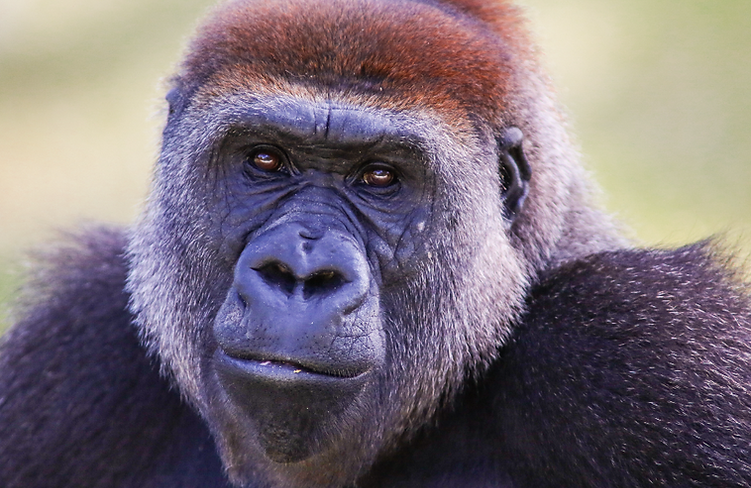
This critically endangered hominid, one of our closest relatives, is under severe pressure from the expanding local population even in protected areas. The conservation of the few remaining individuals is vastly underfunded. This grassroots project trying to protect the last few survivors of this extremely rare subspecies of the (also critically endangered) western lowland gorilla.
Project fast facts
Focal species' population trend
Decreasing; only 100-250 individuals left.
Local conservation attention
Low
Range / Project area

Ecological role
Due to the high seasonality of their habitat, Cross River gorillas show flexible grouping patterns, overlapping home ranges, and re-use of nest sites. Group size varies from 2 to 20 individuals, mainly consisting of one male and six to seven females plus their offspring. Restricted habitat, food dispersal patterns, high hunting pressure, and limited opportunities for male migration between family groups are thought to contribute to the flexible grouping.
Threats
Between 1995 and 2010, the population of Cross River gorillas declined by 59% - more than any other subspecies of great ape. The decline of this species has continued at an alarming rate. Hunting pressure from bushmeat traders has contributed to displace this species into submontane areas.
The remaining population is small, fragmented and surrounded by some of the most densely populated human settlements in Africa. The small size of each subpopulation makes them highly vulnerable to poaching. Snares targeting other species may injure or kill gorillas. Legal prohibitions against the killing of Gorillas exist in both Cameroon and Nigeria, but enforcement of wildlife laws is inconsistent, and even legally protected areas suffer from high levels of poaching.
Conversion of forest for agriculture and grazing is occurring rapidly in many parts of the Gorillas’ range, and even the largest protected areas contain enclaves of human settlements whose farmlands have spread beyond their legal boundaries. Expansion of these settlements threaten to further fragment the Cross River Gorilla population. Increased habitat disturbance and extraction of forest resources will exacerbate poaching pressure. Commercial logging and industrial agriculture (e.g., for oil palm) are also impending threats.
The small size of the Cross River Gorilla population puts it at risk from inbreeding and loss of genetic diversity. The close proximity to dense human populations and livestockand makes it more vulnerable to diseases such as Ebola.
Grant
First awarded:
$ 7600
8 May 2026
Rank 55 / 585 mammals
Programme owner
Ecohumanity Development Initiative (ECOHDI).
Programme contact
Sogbeye Harry
Project location
Africa, Nigeria
8X5R+C8V Afi Mountain Wildlife Sanctuary, Buanchor, Cross River, Nigeria
Addressing the need: Project goals
To launch a "One-Health" pilot in Nigeria’s Afi-Mbe mountains.
Reduce threats to gorillas by
- removing illegal snares (bi-weekly)
- connecting gorilla home ranges with a safe passage
Host 10 One-Health workshops to reduce human-wildlife conflict and the risk of disease transmission.
Conservation actions
We expect this programme to reduce the number of active wire snares within the buffer zone, prevent human-gorilla disease transmission incidents, ensure the survival of 1,500 planted trees in the safe corridor, and reduce the number of gorilla visits to agricultural lands
